
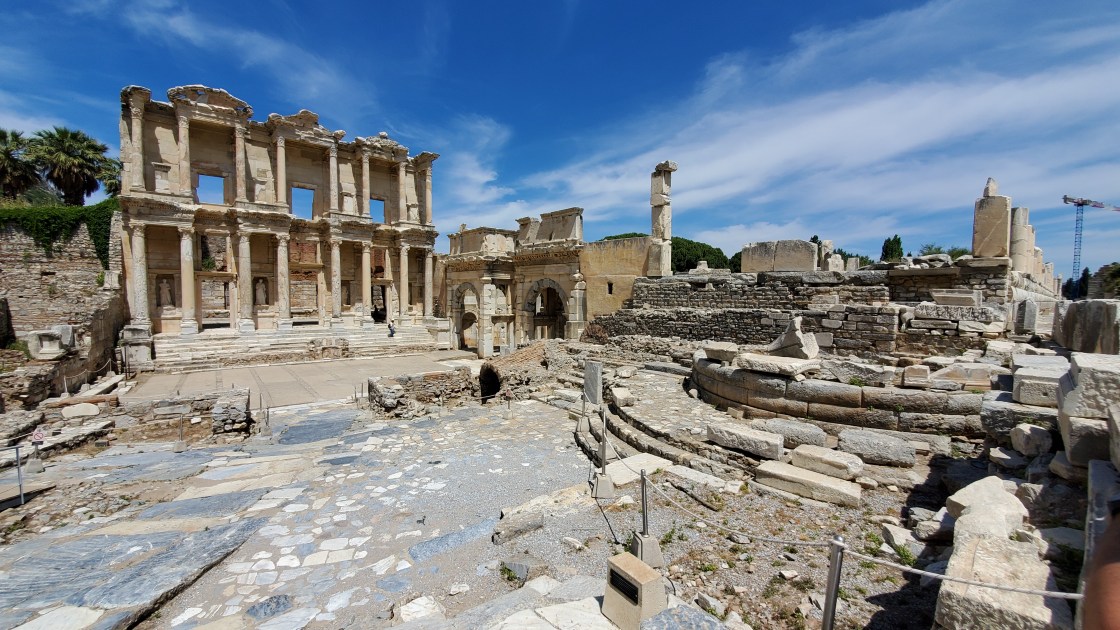
SELCUK
One of my history teachers always used to tell us that ” a man who does not know its history is like a child who has never known his parents”. Therefore, after Izmir and Ceșme, the trip continued for me with a journey in the past. First stop was in Selcuk, a city which is around one hour away from Izmir and famous for being the gateway to Ephesus.
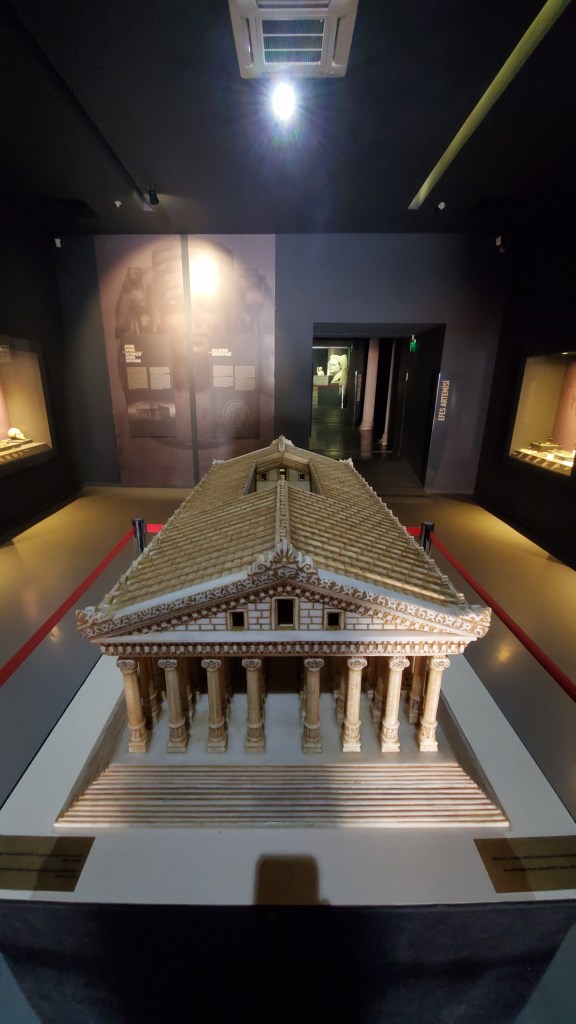
As main attractions in the city, you might consider visiting the museum (located right in front of the bus stop) and to go explore the surroundings. The area hosts very well known monuments that we heard about maybe just in myths and tales when we were kids.
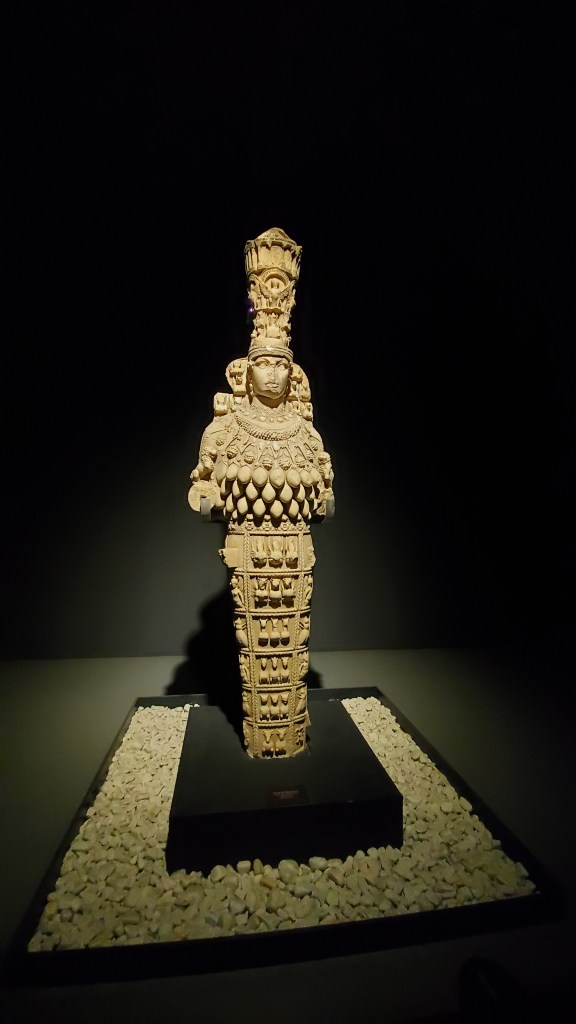
The Temple of Artemis (one of the seven wonders of the Ancient World), Selcuk Castle, the Cave of Seven Sleepers, House of Virgin Mary or the Basilica of Saint John are such places and the goosebumps cause as they reveal so many changes of human mind in the last thousands of years, from religion to architechture and to lifestyle.
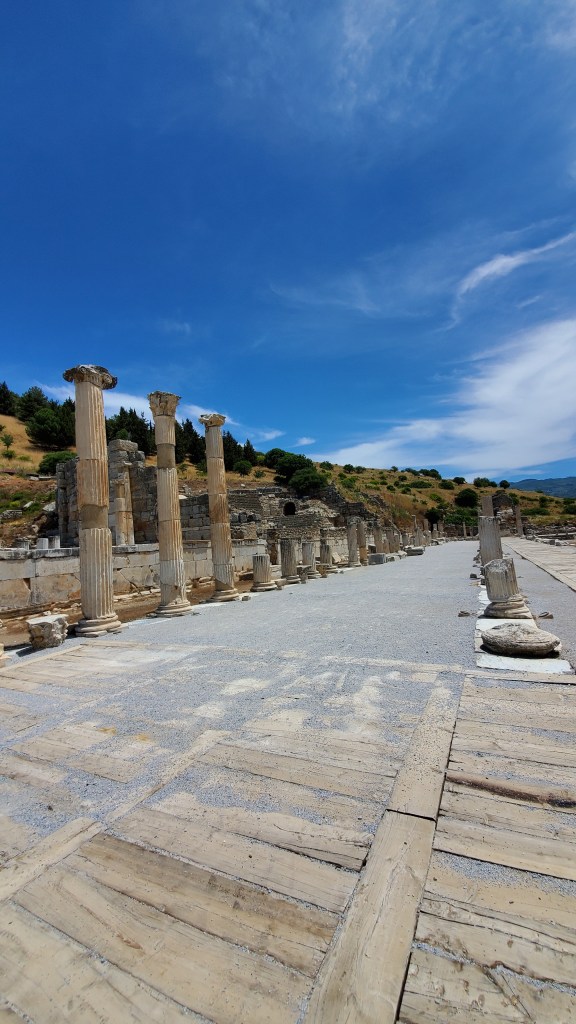
Ephesus
A 10 minutes bus ride from Selcuk open the gates of the great ancient city Ephesus. It is one of the most popular historical places in Turkey, and maybe even in the world, due to its long lasting functioning, controversed past and astonishing beauty brought by detailed sculptures which can be admired even nowadays.
There are many stories rummoring around this magical place and questions without answers about how it was actually built.
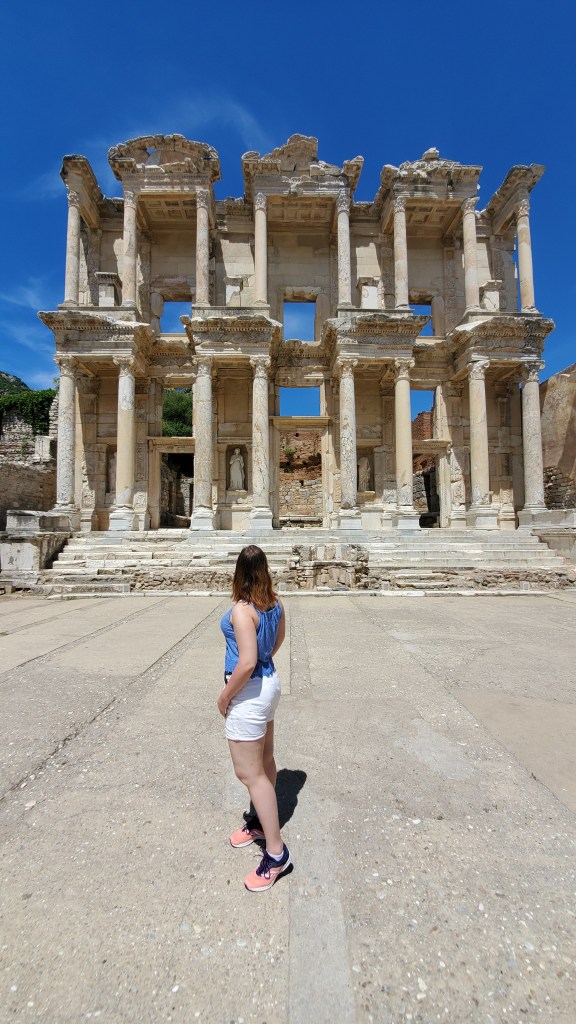
Some tales talk about the Ionian prince Androclos and his people as the ones who built it, while other legends say it was founded by Amazons (a tribe of female warriors) and named after their queen Ephesia. What is for sure is that Greeks, Persians, Egyptians, Goths, Arabs and maybe even more nations have been there, the Roman Empire conquared it and the Otomans kept what once was the main commercial center along Mediterranean Sea (together with Rome).
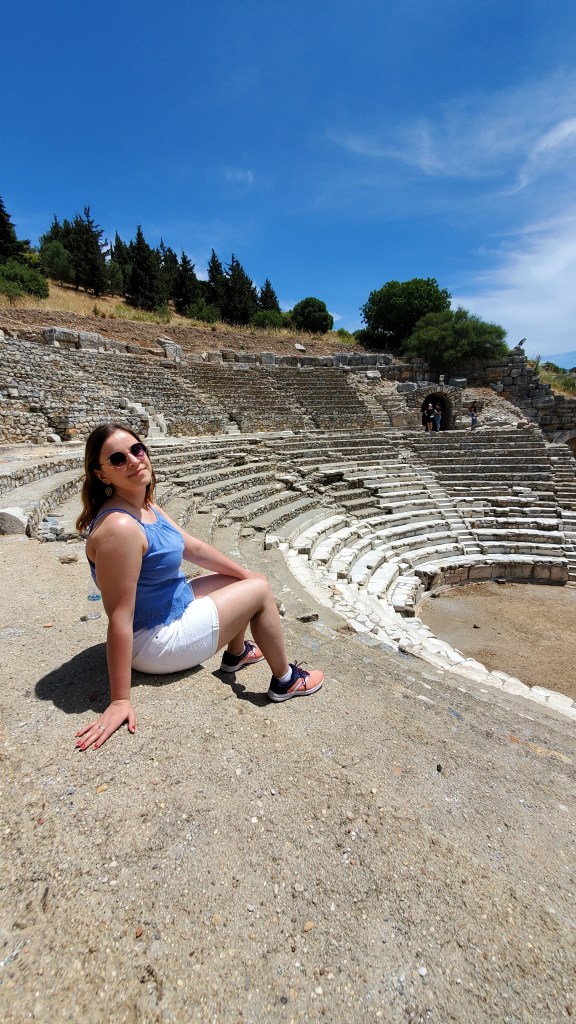
Today, even though the open air museum is formed of ruins of the astonishing city, we can still relish its remainings which have been standing strong since day one resisting floods, earthquakes, attacks, changes in nations and Gods, changes in occupations and needs of its inhabitants.
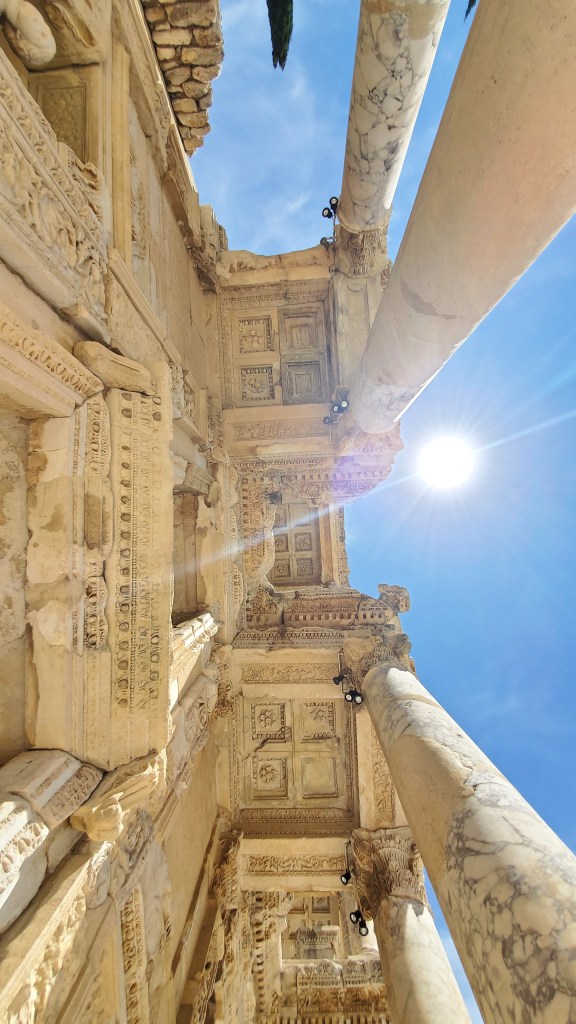
Ephesus played as well a vital role in the spread of Christianity as notable Christians such as Saint Paul and Saint John visited it and even Mary, the mother of Jesus, is thought to have spent her last years of life in Ephesus. This is probably why it remains an important archaeological site and Christian pilgrimage destination.

Next to the very well known Celsus Library, royal streets, Hadrian’s Temple or the two amphitheaters, you can also enjoy: Hercules Gate, the monument of Memmius, temple of Domitian, Agora and the Terrace Houses (with a different ticket – no museum card) which reveal unique old paintings and insights of ancient citisens’ life. Advice: if you go in summer, put some sun cream, wear a cap and take a big bottle of water with you as the area is very big and there is almost no shadow.

If this place woke up your interest just as much it did to me, I advice reading more historical facts and evolution here. For me these information were very fascinating and satisfied my curiosity of mythology & past civilizations.
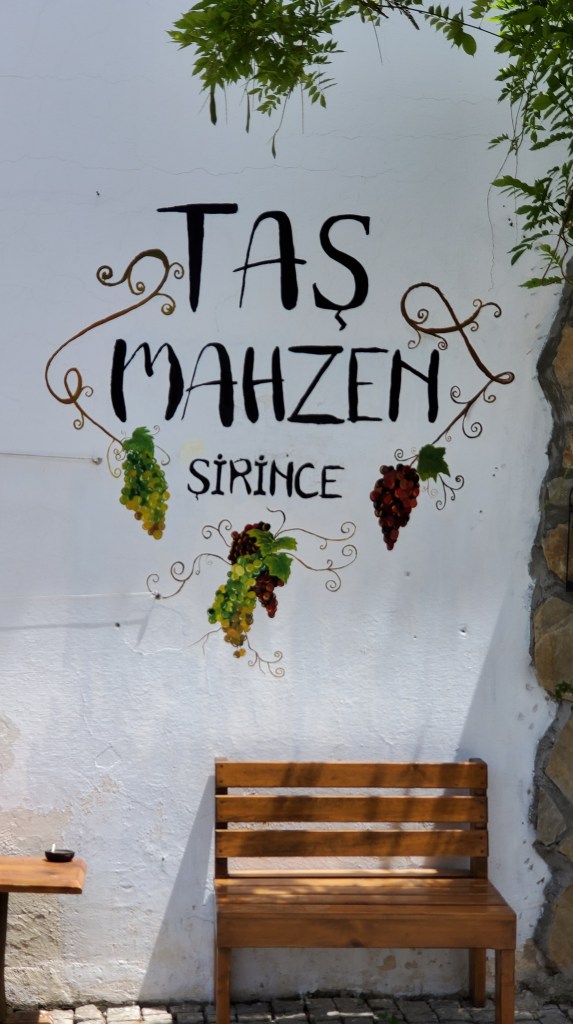
Șirince
Once again, in the same day, we took a bus (dolmuș to be precise) and this time the road got us by surprise with serpentines and wonderful views of the high hills of Șirince.
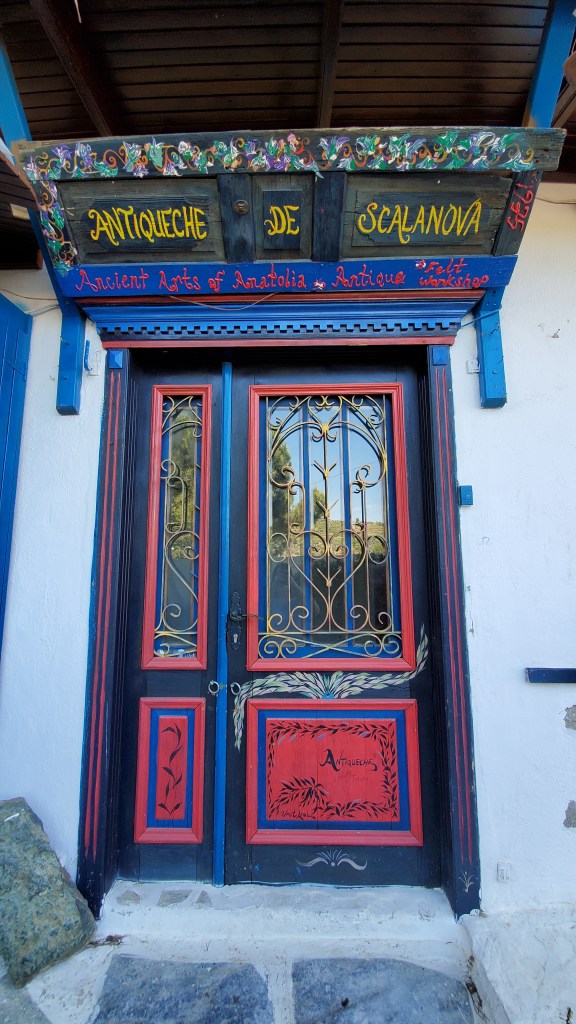
Fun fact: The original name of the settlement was Çirkince which for us makes almost no difference, but in Turkish the meaning is oposite to the new name. Basically the village was initially called Ugly, while nowadays we can translate Șirince as cute or beautiful (what a turn, right?)
Tip: cars are not allowed in the center of the village and the available streets are quite narrow anyways.
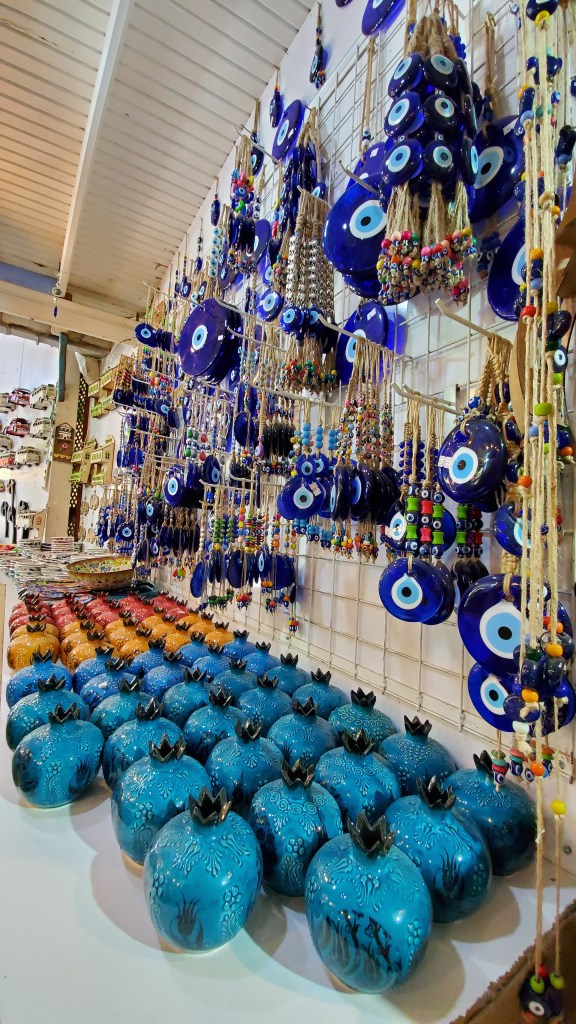
No wonder why such changes occured! The place is full of color and we didn’t know where to look first: at beauty of nature, the catchy markets with colorful handmade products or the interesting architecture which has been preserved so well over the years? Hard to tell! Nor to mention the traditional restaurants with local food and the essential Turkish coffee. The location represents an advantage from this point of view as the agriculture is favoured by the hill’s fertile ground.
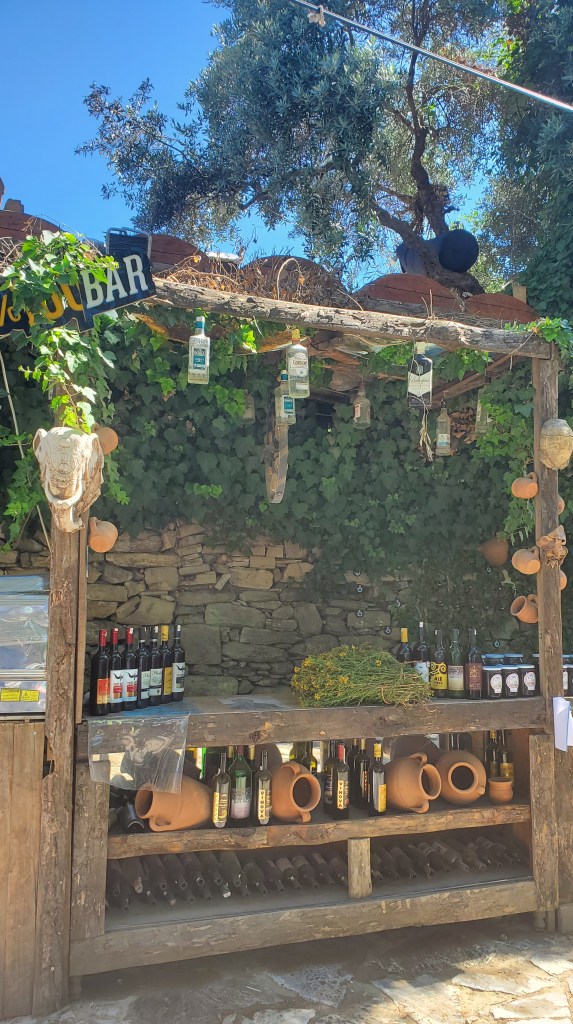
Above all, the village is well know for its successful vineyards and orchards which is why everywhere on the windy streets merchants offer to the tourists small glasses of wine trying to convince them to buy some (I have to admit, they produce the wine from unusual fruits for this drink, not only from grapes, and the tastes are super flavoured!)
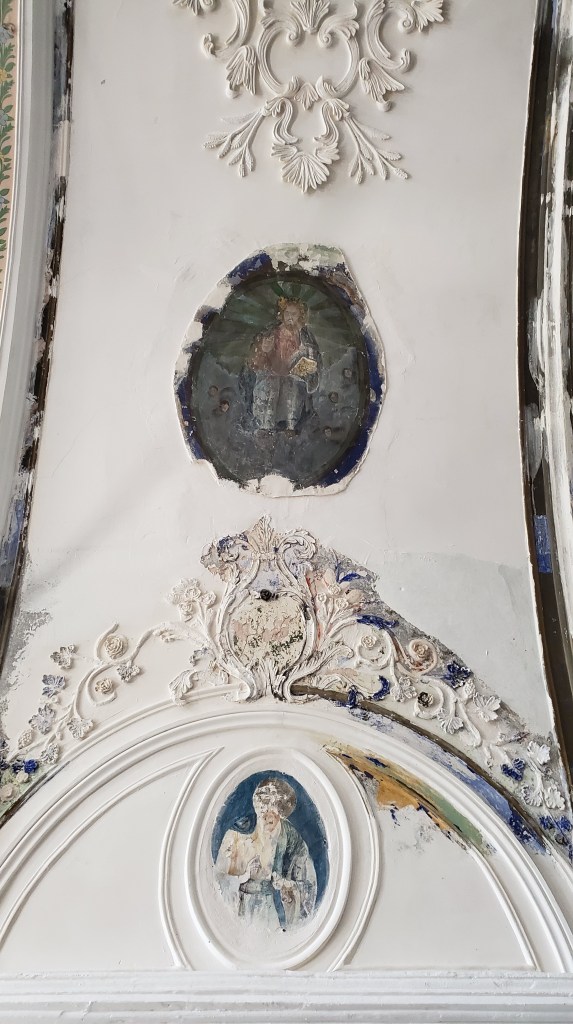
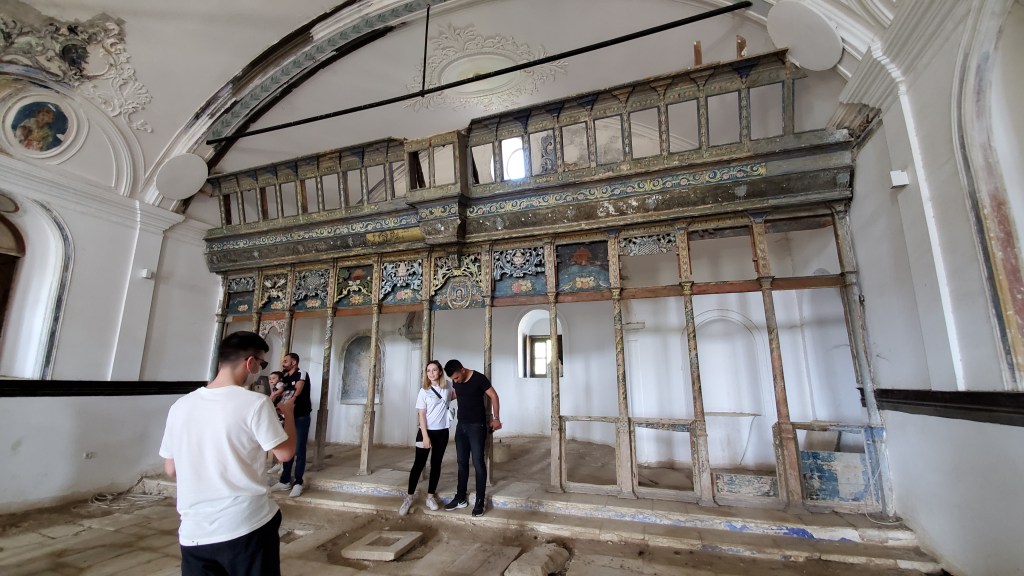
The small village is host to a rare and attractive example of Ottoman Christian archtectiture thanks to which it acquired a world-wide fame: tourists and not only flocked to the village in December 2012 to witness the Mayan Apocalypse, as New Age mystics believed it is a place with “positive energy” which could aid in weathering the catastrophe.
Oh well, after a fully booked day which took us from ancient Greek and Roman tales to apocalypse stories, wine tasting and food delights, we head to the accommodation with our hearts really full of joy. If you travel in the East part of Turkey, I totally recommend you to reserve one day for visiting these sides and explore more in deep the history & vast culture of the country!
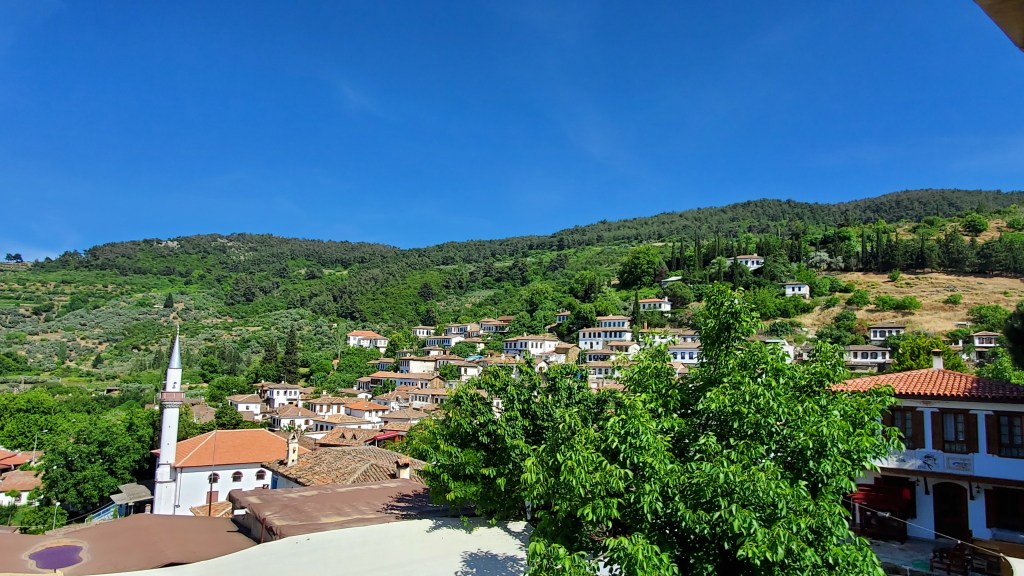
Șirince panoramic view
 travelishspeaker.com